Common Home Repair Mistakes and How to Avoid Them


Overlooking Safety Precautions
One of the most common mistakes in home repair is ignoring safety measures. Whether it’s skipping protective gear or using the wrong tools, many DIY enthusiasts underestimate the risks involved. Always prioritize safety by wearing goggles, gloves, and using tools as intended. Ensuring your workspace is well-lit and clutter-free can prevent accidents.

Using Incorrect Tools
Using the wrong tool for a job is a frequent error that can lead to poor results or even injury. Each tool is designed for a specific purpose. For instance, using a screwdriver as a chisel might seem convenient, but it can damage both the tool and the material you’re working on. Invest in the correct tools or consider renting them to keep your repair work efficient and safe.
Neglecting Proper Measurements
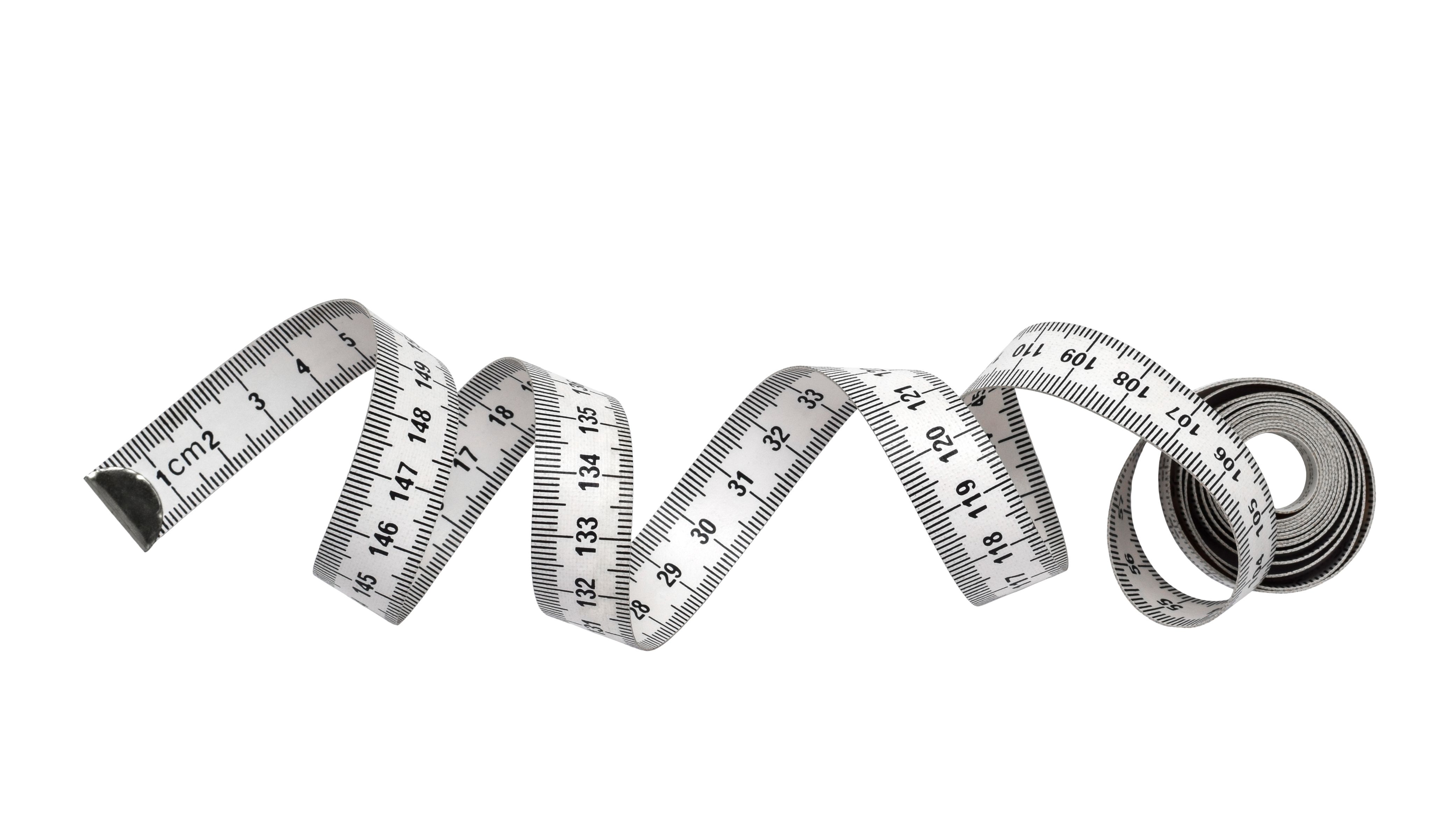
Accurate measurements are crucial in home repairs, especially for tasks like cutting flooring or installing cabinets. A simple mistake in measurement can lead to wasted materials and time. Always measure twice to ensure precision, and use a reliable tape measure or laser measure for the best results.
Skipping Surface Preparation
Whether you’re painting a wall or laying tiles, preparing the surface is a step you shouldn’t skip. Cleaning, sanding, or priming surfaces ensures better adhesion and a more professional finish. Ignoring this step often leads to peeling paint or uneven tiles, requiring more work in the long run.
Underestimating Time and Costs
Many DIYers underestimate how long a project will take and how much it will cost. This often results in incomplete projects or going over budget. To avoid this, create a detailed plan and budget before starting. Factor in additional time for unexpected obstacles and costs for unforeseen repairs.

Improper Disposal of Materials
Disposing of leftover materials incorrectly is a mistake that can harm the environment and result in fines. Always check local regulations for disposing of hazardous materials like paint or solvents. Recycling centers often accept materials like wood, metal, and plastic, offering an eco-friendly disposal option.
Failing to Address the Root Cause
Another common mistake is focusing on cosmetic fixes without addressing the underlying issue. For example, painting over mold will not eliminate the problem. Instead, identify and fix the root cause to prevent recurring repairs. This might involve dealing with leaks or improving ventilation to prevent mold growth.

Ignoring Building Codes
Compliance with local building codes is essential for any home repair project. Ignoring these regulations can lead to fines and unsafe living conditions. Before starting a project, familiarize yourself with the relevant codes and permits. It might be helpful to consult with a professional to ensure everything is up to standard.