How to Choose the Right General Contractor for Your Project


Understanding Your Project Needs
Before you begin your search for a general contractor, it's crucial to have a clear understanding of your project needs. Are you planning a small renovation, or is it a large-scale construction? Knowing the scope, timeline, and budget will help you communicate effectively with potential contractors and ensure they have the capacity to handle your project.

Researching Potential Contractors
Once you have a clear idea of your project requirements, start researching potential contractors. Look for contractors who specialize in the type of work you need and have a proven track record. You can find contractors through online directories, referrals from friends, or professional associations. Make a shortlist of potential candidates.
Checking Credentials and Experience
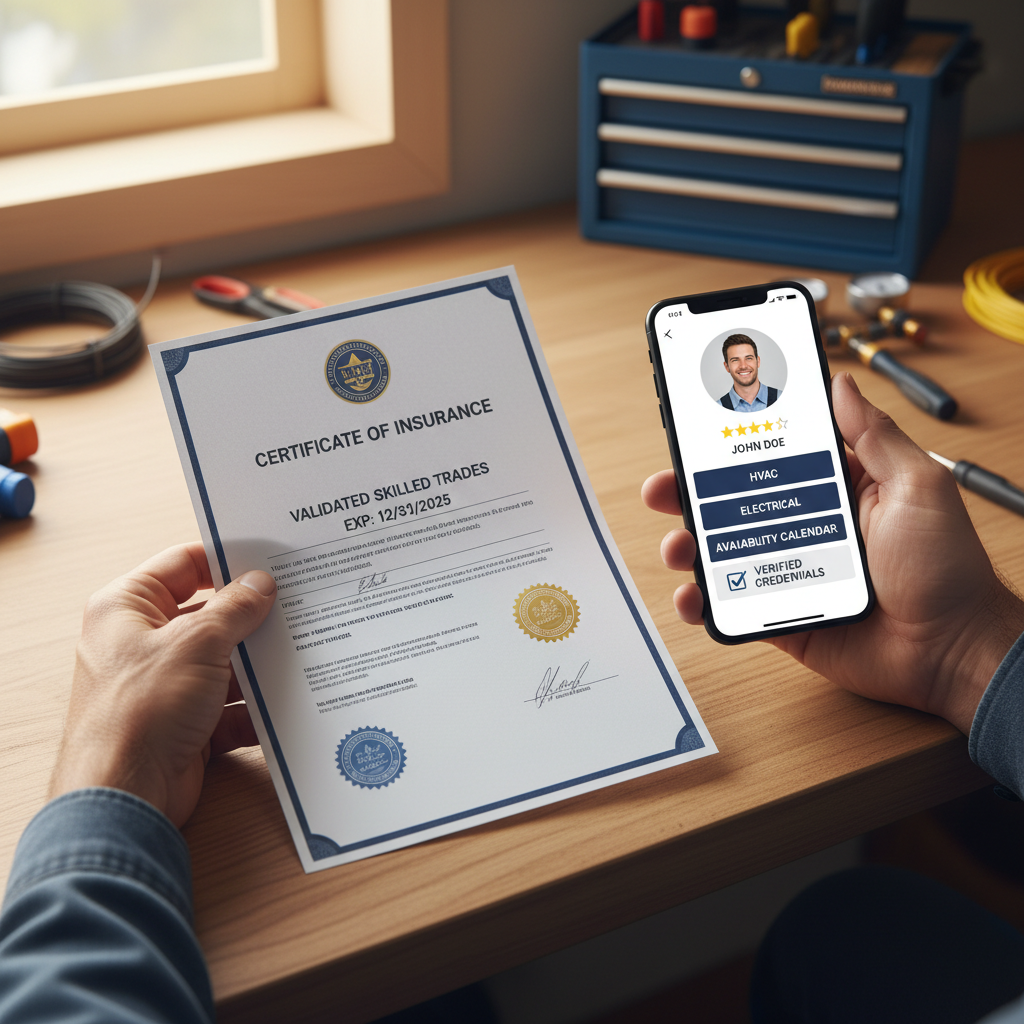
It's essential to verify that any contractor you consider is properly licensed and insured. Check their credentials and ask for references. A reputable contractor should be willing to provide examples of previous work and client testimonials. Additionally, consider the contractor's experience with similar projects to ensure they have the necessary expertise.
Evaluating Communication and Compatibility
Effective communication is key to a successful project. Pay attention to how promptly and clearly a contractor responds to your inquiries. Are they open to your ideas and willing to discuss alternatives? Compatibility is also important, as you'll be working closely with them. Choose someone you feel comfortable with and trust.
Reviewing Bids and Estimates
Once you've narrowed down your list, request detailed bids or estimates from each contractor. Compare these not just on cost but also on the scope of work, materials, and timeline. Be wary of bids that seem too good to be true, as they may lead to unexpected costs later on. A detailed bid demonstrates professionalism and transparency.

Understanding Contract Terms
Before signing a contract, ensure you understand all the terms and conditions. The contract should clearly outline the scope of work, payment schedule, timeline, and any warranties or guarantees. Don't hesitate to ask questions or request modifications if something is unclear. A well-defined contract protects both parties and sets clear expectations.
Trusting Your Instincts
Finally, trust your instincts. If something doesn't feel right during your interactions with a contractor, it might be a sign to look elsewhere. Your project is an investment, and you deserve to work with someone who respects your vision and delivers quality results.
Choosing the right general contractor can make or break your project. By taking the time to research, evaluate, and communicate, you'll set the foundation for a successful partnership and a project that meets your expectations.