How to Prepare Your Home for Seasonal Changes: Tips from Expert Contractors


Understanding Seasonal Changes
As the seasons shift, your home requires specific adjustments to ensure it remains comfortable and efficient. Expert contractors emphasize the importance of preparing your home for these changes to avoid potential damage and maintain energy efficiency.
Preparing your home for seasonal changes not only enhances comfort but also extends the life of various home components. Here are some expert tips to guide you through this process effectively.
Inspect and Maintain Your HVAC System
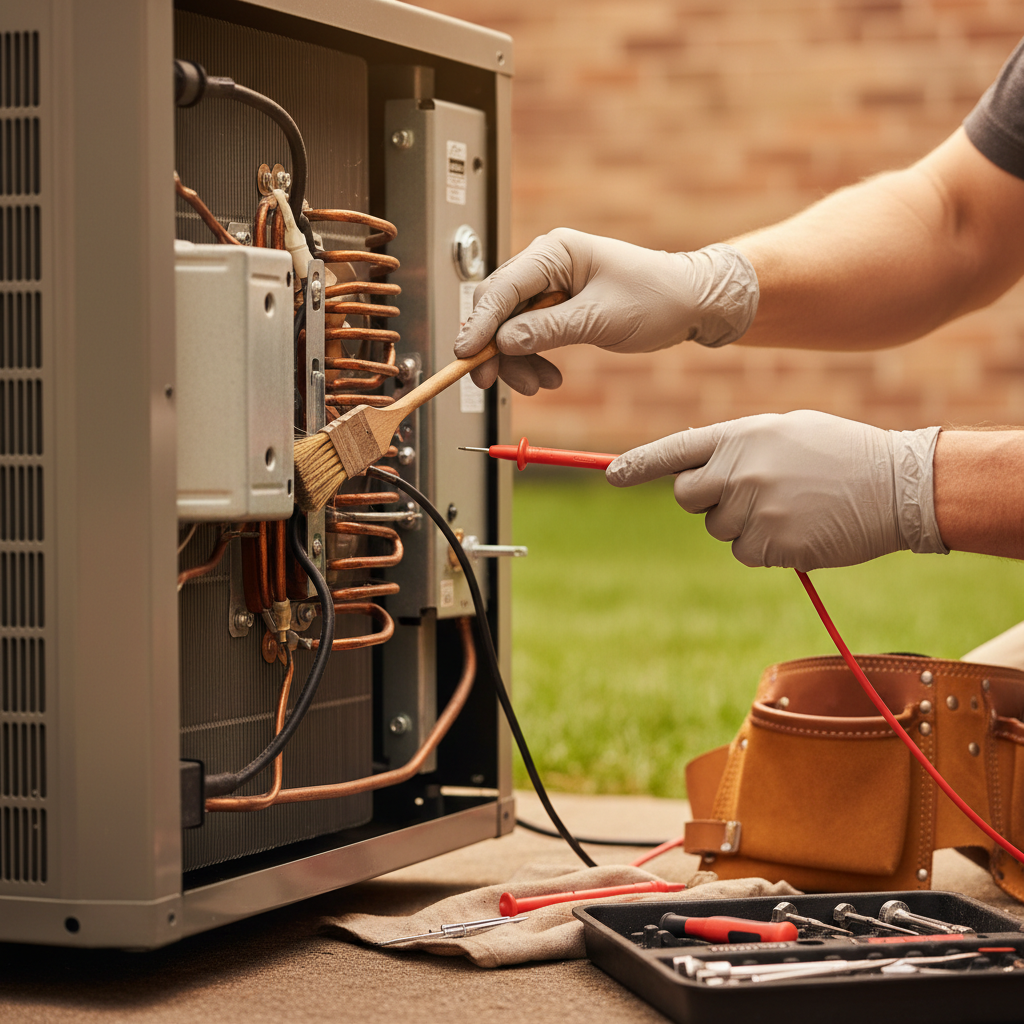
Your Heating, Ventilation, and Air Conditioning (HVAC) system plays a crucial role in maintaining a comfortable home environment. As seasons change, it's essential to inspect and service your HVAC system.
Regular maintenance ensures that your system operates efficiently, reducing the risk of unexpected breakdowns. Consider hiring a professional to check for any issues and perform necessary tune-ups.
Additionally, replace air filters regularly to improve air quality and system efficiency. This simple step can have significant benefits in maintaining your home's comfort levels.
Seal Windows and Doors
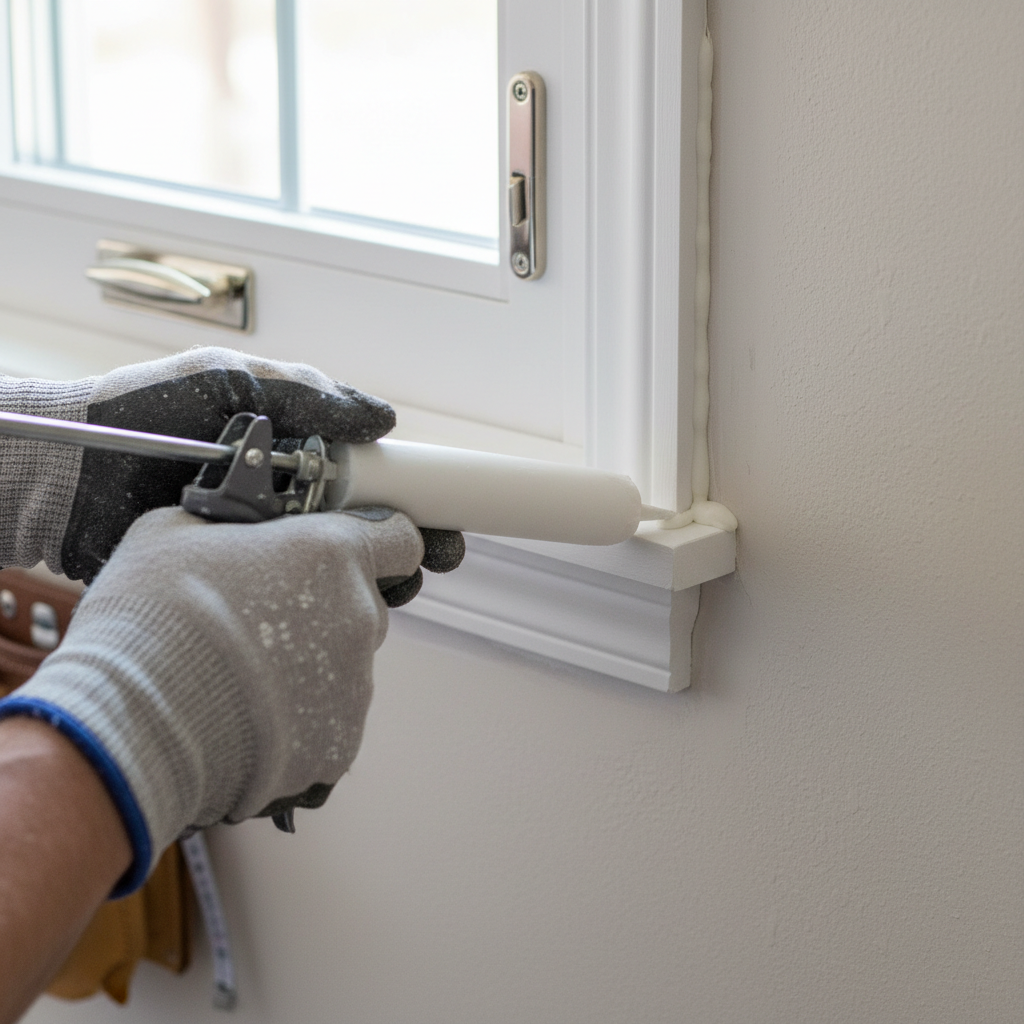
Windows and doors are common areas where air leakage occurs, leading to higher energy bills. To combat this, contractors recommend sealing gaps and cracks around windows and doors.
Use weatherstripping or caulk to seal these areas. This not only helps in maintaining the desired indoor temperature but also prevents moisture intrusion, which can lead to mold growth.
Check for Drafts
On a breezy day, walk around your home with a candle or incense stick and check for drafts around windows and doors. If the flame flickers, you likely have an air leak that needs attention.
Prepare Your Plumbing
As temperatures drop, your plumbing system can be vulnerable to freezing. It's crucial to insulate pipes, especially those located in unheated areas like basements or garages.
Drain outdoor faucets and store hoses to prevent water from freezing and causing pipes to burst. This preventive measure can save you from costly repairs and water damage.
Inspect the Water Heater
A water heater inspection is another important task. Sediment build-up can reduce efficiency, so consider flushing the tank to ensure optimal performance during colder months.
Clean Gutters and Downspouts
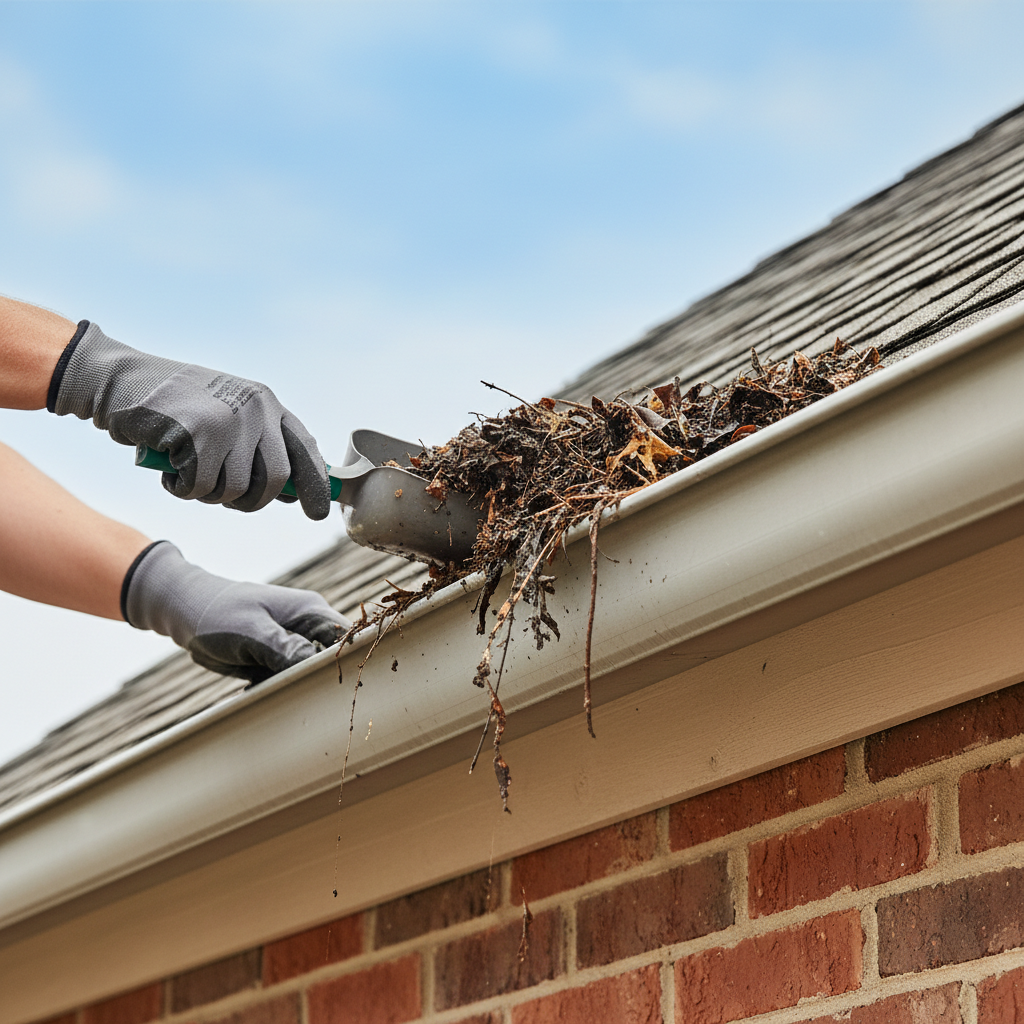
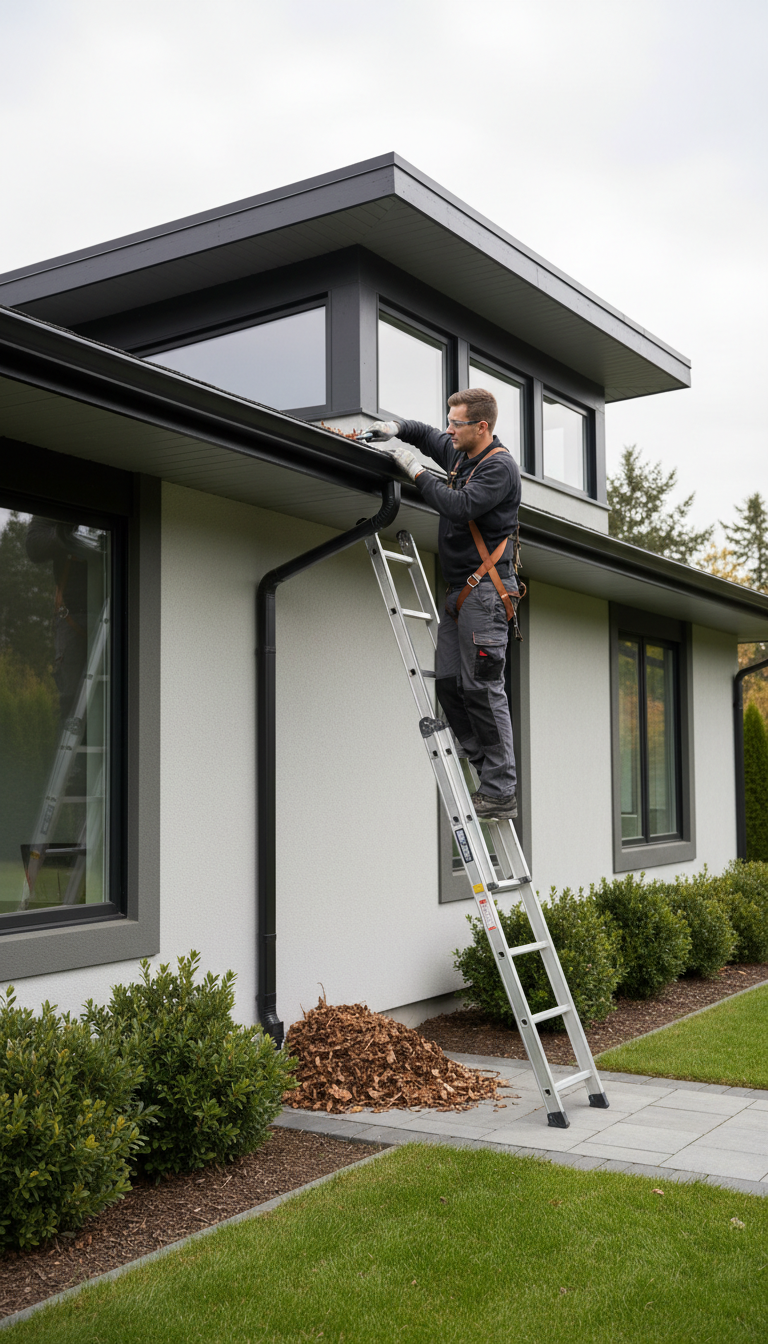
Leaves and debris can clog gutters, leading to water overflow and potential damage to your home’s foundation. Regularly cleaning gutters and downspouts ensures proper water drainage.
Ensure that downspouts direct water at least three feet away from your home to prevent water from seeping into the foundation. This is especially critical during heavy rain or snowmelt.
Inspect the Roof
While you’re at it, check your roof for any damaged or missing shingles. Addressing these issues promptly can prevent leaks and further damage during inclement weather.