Top 10 DIY Home Repairs You Can Handle Yourself


Introduction to DIY Home Repairs
Home repairs can often seem daunting, but many tasks are quite manageable with a bit of guidance. Tackling these repairs yourself not only saves money but also provides a sense of accomplishment. Here are the top 10 DIY home repairs you can handle without professional help.
Fixing a Leaky Faucet
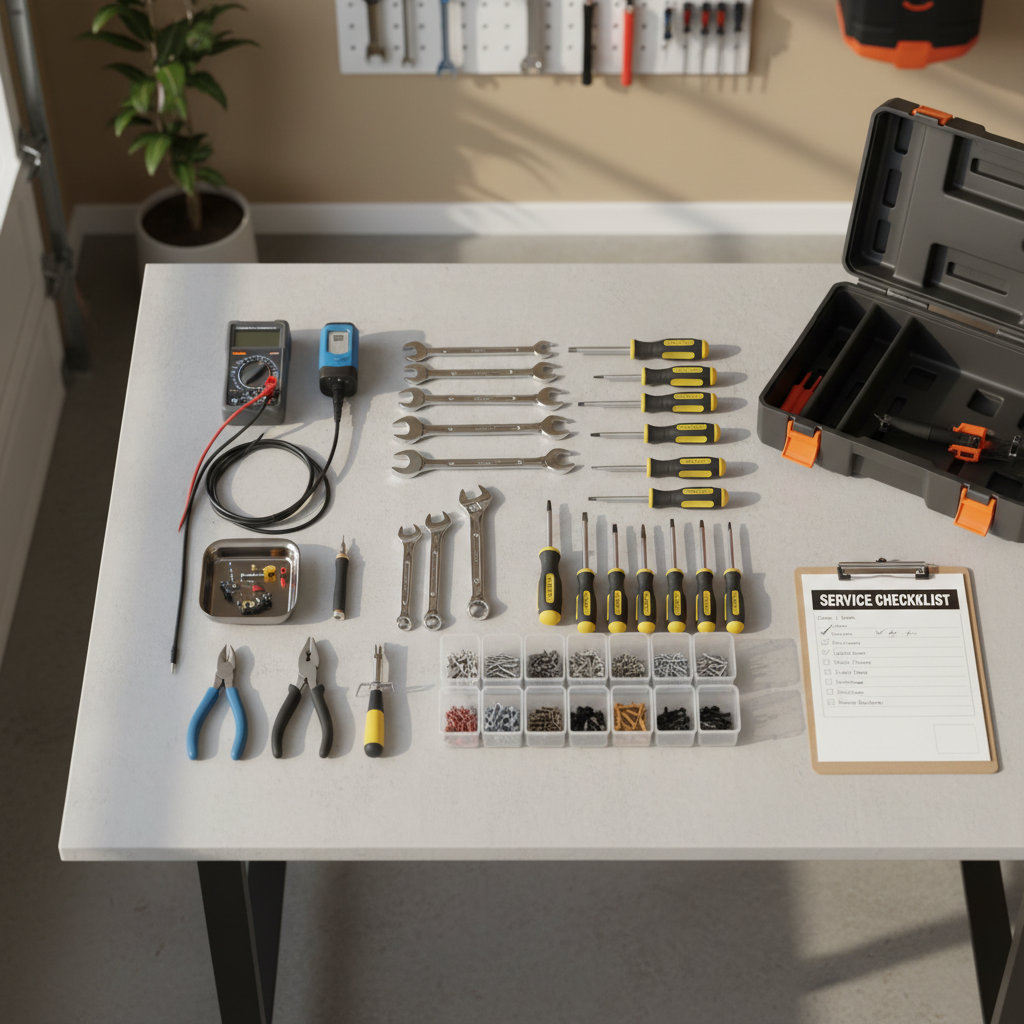
A leaky faucet can waste a significant amount of water. Fortunately, fixing it is straightforward. Start by turning off the water supply. Then, disassemble the faucet to replace the washer or cartridge, which are typically the culprits behind leaks.
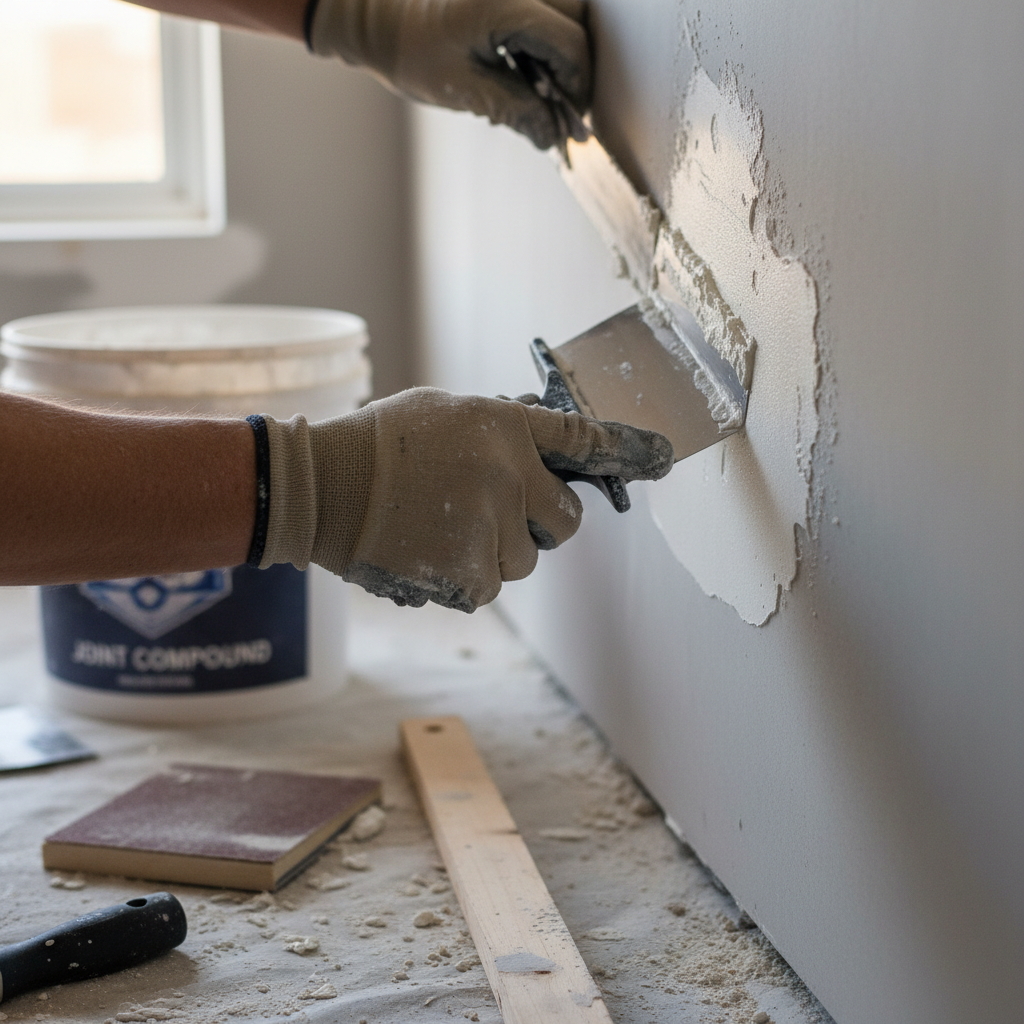
Patching Drywall
Small holes or dents in drywall are common and easy to repair. You’ll need some spackle, a putty knife, and sandpaper. Apply the spackle to the hole, smooth it out, and once dry, sand it down for a seamless finish.
Unclogging Drains
Clogged drains can be a hassle, but they don’t require an expensive plumber. A simple plunger or a mixture of baking soda and vinegar can often do the trick. For tougher clogs, a drain snake might be necessary.
Replacing Light Fixtures
Upgrading light fixtures can dramatically change the ambiance of a room. Ensure the power is turned off before you start. Remove the old fixture and follow the manufacturer's instructions to install the new one.
- Turn off the electricity.
- Remove the old fixture.
- Connect the wires of the new fixture.
- Secure the fixture and turn the power back on.

Repairing a Running Toilet
A running toilet is not only annoying but can also increase your water bill. The most common cause is a faulty flapper. Check the flapper for wear and replace it if necessary. Adjusting the float can also resolve the issue.
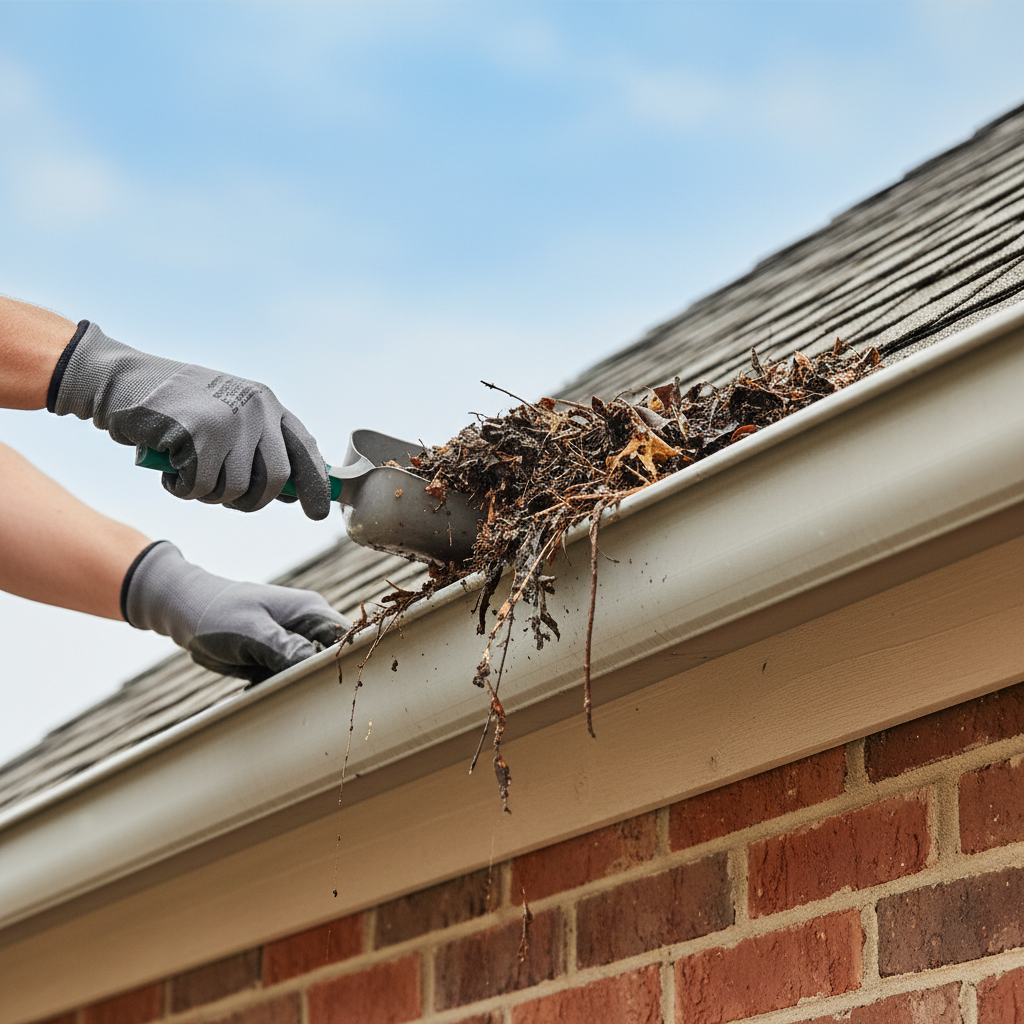
Cleaning Gutters
Keeping your gutters clean is essential to prevent water damage. Use a sturdy ladder and a pair of gloves to remove leaves and debris. This simple task can prevent costly repairs down the line.
Caulking Windows and Doors
Drafty windows and doors can lead to higher energy bills. Caulking is an effective way to seal gaps. Choose the appropriate caulk for your project, apply it smoothly, and let it dry completely for the best results.
Conclusion
Tackling these DIY home repairs can be rewarding and cost-effective. With some basic tools and a little patience, you can maintain your home efficiently. Remember, the key to DIY success is safety and following instructions carefully. Happy repairing!